

By Assam Muse Editorial | March 3, 2026
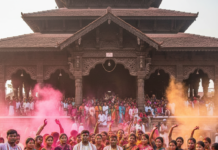
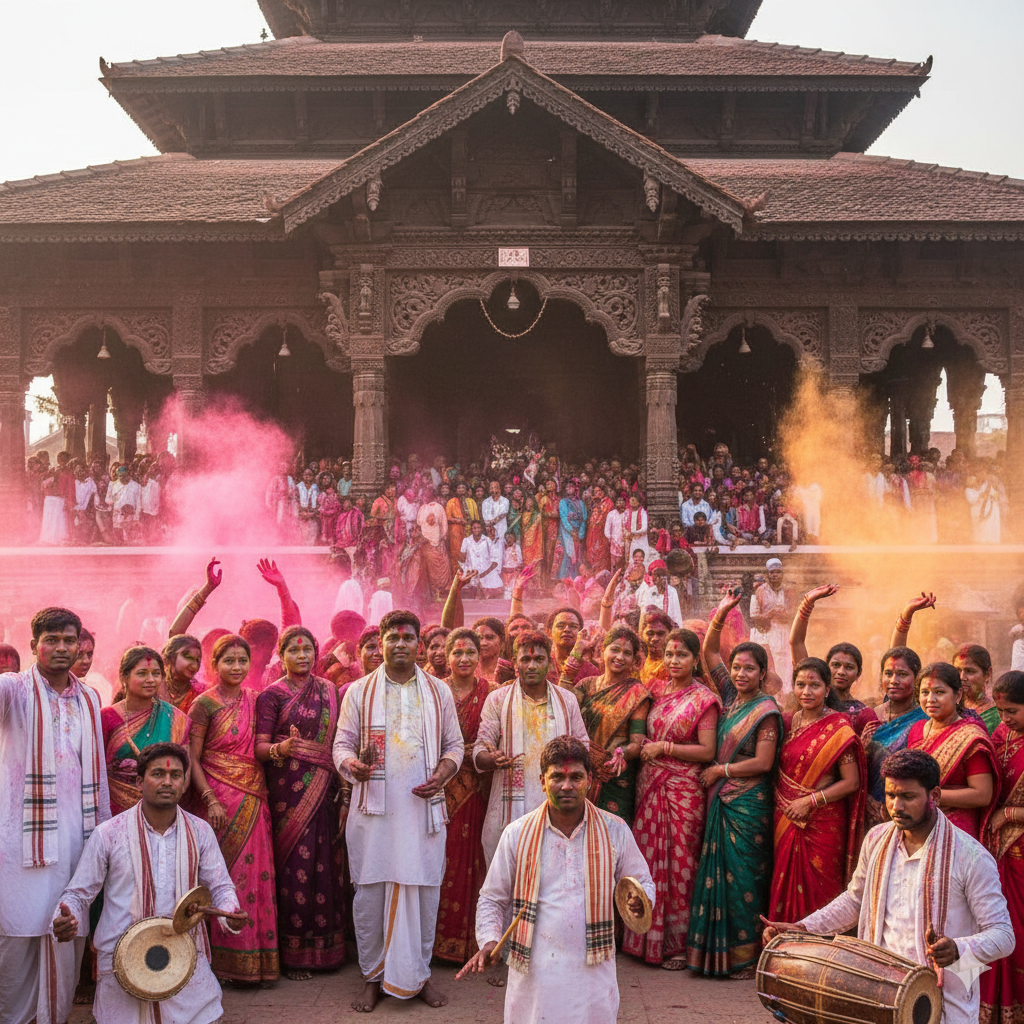
BARPETA/MAJULI: While much of India revels in the boisterous abandon of Holi, Assam immerses itself in the profound spiritual hues of Dol Jatra, locally known as Phakuwa. Today, March 3rd, marks the zenith of this unique Vaishnavite festival, transforming the hallowed grounds of Barpeta Satra, Doul Govinda Temple, and numerous other Satras across Majuli into vibrant canvases of devotion, music, and traditional play.
Unlike the pan-Indian celebration, Assam’s Phakuwa is deeply rooted in the philosophical tenets of Srimanta Sankaradeva and Madhavadeva. It’s not just a riot of colors but a deeply symbolic reenactment of the divine play of Lord Krishna, celebrating universal love and brotherhood.
The Heartbeat of Barpeta Satra
The historic Barpeta Satra comes alive with an unparalleled fervor during Dol Jatra. Thousands of devotees throng the premises to witness the centuries-old rituals:
- Keliya Thakur: The idol of Lord Krishna is brought out in a grand procession, adorned in vibrant silks, signifying his divine journey from the Kirtanghar to the Doloi Mandir.
- Holigeet and Gayan-Bayan: The air resonates with the soul-stirring Holigeet, devotional songs performed by skilled Gayan-Bayan (singers and instrumentalists) using traditional instruments like the Khol and Taal. This melodious tradition is the soul of Barpeta’s Phakuwa.
- Fakuwa Khela: The “play of colors” here is respectful and community-oriented, using natural dyes (Abeer) and often mixed with reverence and joy.
Majuli: The Island of Sacred Colors
In Majuli, the world’s largest river island and a cradle of Vaishnavite culture, every Satra—from Auniati to Garamur—celebrates Dol Jatra with its distinct flavors. Here, the festival emphasizes cultural preservation and communal harmony. The Mukha Bhaona (mask theatre) often sees special performances during this time, depicting episodes from Krishna’s life, further enriching the festive spirit.
A Confluence of Devotion and Delight
The spiritual significance of Dol Jatra in Assam lies in its gentle, yet profound, expression of devotion. It’s a festival that unites communities, transcends social barriers, and reinforces the message of peace and unity through shared traditions. As the colors fly and the melodies echo, Phakuwa serves as a beautiful reminder of Assam’s rich cultural heritage and its enduring spiritual core.