








Introduction to Ratan Tata
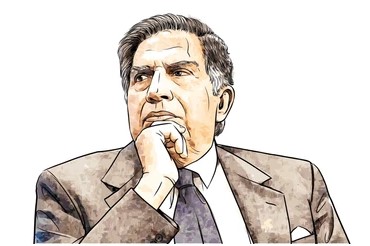
Ratan Tata, a prominent figure in the Indian business landscape, is renowned for his leadership as the former chairman of Tata Sons. Born on December 28, 1937, in Mumbai, Ratan Tata comes from a distinguished lineage; he is the great-grandson of Tata Group’s founder, Jamsetji Tata. His early life was marked by a rigorous educational journey, beginning with his schooling at the Campion School in Mumbai. He then pursued architecture at the prestigious Cornell University in the United States, which laid the foundation for his subsequent business acumen.
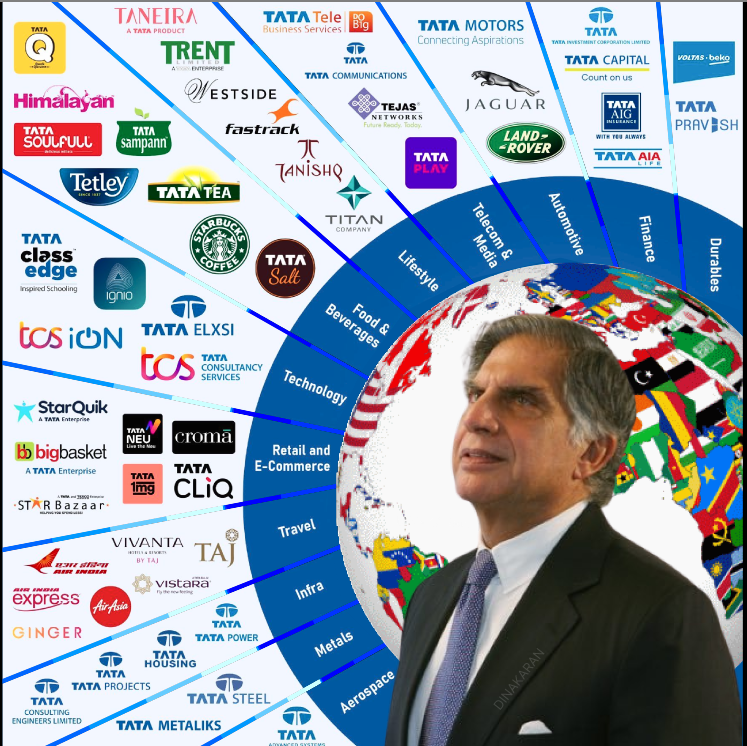
Later, Ratan Tata pursued an advanced management program at the Harvard Business School, further honing his skills in leadership and corporate strategy. After returning to India in 1962, he joined the Tata Group, initially working on the shop floor of Tata Steel before ascending through various leadership roles. In 1991, he took over as chairman and was instrumental in transforming the conglomerate into a more modern and competitive entity. Under his stewardship, Tata Group witnessed significant expansion, acquiring several international companies and diversifying its operations across various sectors, including software, steel, and automobiles.
Ratan Tata’s vision for the Tata Group was not limited to mere profitability; he emphasized ethical business practices, innovation, and social responsibility, instilling these values throughout the organization. His leadership style has often been described as inclusive and forward-thinking, which fostered a corporate culture that prioritized the well-being of employees and stakeholders. Moreover, Ratan Tata has been an ardent advocate for sustainable development and has made significant contributions to various philanthropic initiatives through the Tata Trusts, embodying the values of compassion and community service in his professional journey. His legacy continues to inspire many, not just within the business realm, but also in broader societal contexts.
Ratan Tata’s Philanthropic Contributions
Ratan Tata has long been recognized for his commitment to philanthropic endeavors, which have significantly influenced various sectors across India. His engagement in social responsibility is extensively reflected in the initiatives spearheaded by Tata Trusts, one of the largest charitable organizations in the country. These initiatives focus on crucial areas such as education, healthcare, rural development, and more, aiming to address pressing issues faced by different communities.
One of the prominent sectors in which Ratan Tata has made substantial contributions is education. Through the establishment of institutions like the Tata Institute of Social Sciences (TISS), he has fostered advanced learning and research opportunities, promoting social equity and justice. TISS, in particular, provides a diverse range of programs, preparing students to tackle societal challenges and contribute to national development. Tata’s unwavering belief in the power of education has resulted in thousands of individuals equipped with the necessary skills to effect change within their communities.
Healthcare is another significant focus of Ratan Tata’s philanthropic efforts. The Tata Trusts have engaged in numerous health-related campaigns and initiatives, prioritizing underserved populations. By funding healthcare facilities, supporting medical research, and launching awareness programs, Tata has played a crucial role in enhancing the healthcare landscape in India. His endeavors aim not only to improve medical access but also to boost the overall health and well-being of marginalized communities.
Furthermore, rural development has been an essential aspect of Tata’s philanthropy, with various programs created to empower rural communities. By promoting sustainable agriculture, enhancing water resource management, and fostering entrepreneurship, Ratan Tata’s contributions have empowered millions, driving meaningful changes in rural ecosystems.
Overall, Ratan Tata’s philanthropic contributions underline his dedication to creating lasting change in society. His efforts reflect a vision centered on improving lives and addressing the challenges faced by various sectors, ensuring a broader impact across India.
Ratan Tata and Assam: The Connection
Ratan Tata’s association with Assam is deeply rooted in both personal interest and professional commitment. His fascination with the state is largely driven by the rich cultural heritage and the immense potential for development, particularly in the tea industry, which plays a significant role in Assam’s economy. Recognizing Assam as one of the leading tea-producing regions globally, Tata has shown a keen interest in enhancing the sector through modern technology and sustainable practices. His initiatives aim to not only boost the tea industry but also provide a broader economic upliftment for the local communities.
One notable project that exemplifies Tata’s dedication to Assam is the establishment of the Tata Tea brand, which has brought international attention to local tea production. By focusing on sustainable farming practices and fair trade principles, Tata has significantly improved the livelihoods of tea workers and their families. His efforts have led to advancements in the quality of tea produced, which in turn has opened up new markets for Assamese tea globally.
Additionally, Tata has engaged with various community projects, emphasizing his commitment to social responsibility. By investing in local education, healthcare, and infrastructure, he has aimed to create an environment where both the economy and the community can thrive. His approach underscores the importance of an integrated development model that balances economic growth with the well-being of local populations. Through these actions, Ratan Tata has become an integral part of Assam’s journey towards sustainable development, fostering a connection that extends beyond business into a realm of genuine commitment to uplifting society.
Legacy and Vision for the Future
Ratan Tata’s legacy is deeply intertwined with the values of ethics, innovation, and social responsibility. As a leader, he has consistently demonstrated that corporate success must be accompanied by a commitment to societal betterment. His perspective on corporate ethics is particularly poignant, advocating for a business model that prioritizes integrity and transparency. This approach has not only sustained the Tata Group’s reputation over the decades but has also set a benchmark for other corporations, emphasizing that profit and purpose can coexist harmoniously.
Equally significant is Tata’s drive for innovation. He championed numerous initiatives that paved the way for technological advancement and sustainable practices within the industries he touched. For instance, his role in the development of the Tata Nano is emblematic of his vision to create affordable yet efficient transportation solutions for the masses. His commitment to innovation is a clarion call for future generations, particularly young entrepreneurs who aspire to make a meaningful difference in their communities. Tata’s endeavors illustrate that groundbreaking ideas can emerge from a foundation of ethical principles and a genuine desire to address societal challenges.
Moreover, Ratan Tata’s influence resonates profoundly in regions like Assam, inspiring local entrepreneurs and activists to embrace social entrepreneurship. By investing in sustainable initiatives and supporting grassroots movements, he has created pathways for positive change. His actions encourage a spirit of compassion in business, urging aspiring leaders to look beyond mere profit margins and foster initiatives that uplift their communities. Tata’s legacy is a reminder that the true measure of success lies not only in wealth but in the positive impact one leaves behind.
In conclusion, Ratan Tata’s vision for the future continues to inspire generations. His steadfast commitment to ethical leadership, innovation, and compassion serves as a guiding light for those who seek to create a more equitable and sustainable world, especially in regions like Assam.