







Historical Significance of Assam

Assam, located in the northeastern region of India, boasts a rich tapestry of historical significance that dates back thousands of years. The state has been a crucial part of ancient trade routes, connecting India to Southeast Asia and facilitating the exchange of goods, culture, and ideas. These historical trade networks contributed significantly to the region’s development, as various ethnic groups and traders passed through, leaving behind their cultural footprints.
Throughout its history, Assam has been influenced by numerous dynasties, notably the Ahoms, who ruled for nearly 600 years. The Ahom Dynasty played a pivotal role in shaping Assam’s identity by establishing a unique political and cultural framework. Their reign saw the construction of several historical monuments and the development of a distinct Assamese culture that continues to flourish today. The Ahom fortifications, temples, and palaces serve as enduring reminders of their legacy and attract tourists and scholars interested in exploring the historical monuments of this vibrant region.
Moreover, Assam has been a witness to many significant events that have shaped its socio-political landscape. For example, the historical battles fought between the Ahoms and the Mughals highlighted the region’s strategic importance. These conflicts not only demonstrated the valor of Assamese warriors but also resulted in a rich collection of folklore and oral traditions that enhance Assam’s cultural heritage. As such, these crucial historical events and the subsequent social changes are key attractions for visitors who seek to understand the deeper narratives of this region.
In conclusion, Assam stands out not merely for its picturesque landscapes but as a vital hub of historical monuments and significant cultural heritage, making it an essential destination for those interested in the depth of India’s historical narrative.
Must-Visit Historical Sites in Assam
Assam, a state rich in cultural heritage and history, boasts numerous historical monuments that reflect its vibrant past. Among these, the Kamakhya Temple stands out as one of the most significant religious important places in India. Nestled on the Nilachal Hill, this temple is dedicated to Goddess Kamakhya, an incarnation of Shakti. The temple’s architecture is a splendid amalgamation of various styles, showcasing the unique cultural interplay that characterizes Assam. The rituals and festivals held here attract thousands of devotees and tourists, making it a crucial part of Assam’s spiritual landscape.
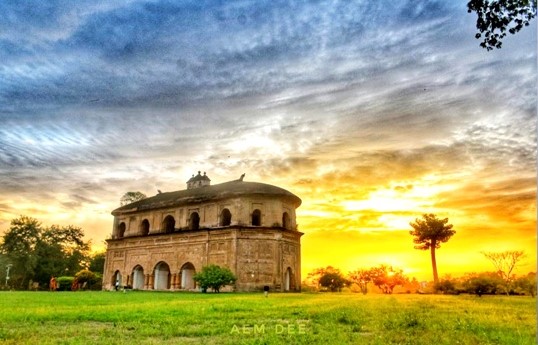
Another remarkable site is the Rang Ghar, located in Sivasagar district. This ancient amphitheater, constructed during the Ahom dynasty, is recognized as one of the oldest surviving structures of its kind in Asia. Its unique oval shape and the intricate carvings on the walls speak of the advanced architectural techniques of the period. The Rang Ghar served as a venue for royal gatherings and entertainment, highlighting the sociocultural dynamics of the Ahom kings. Exploring this historical monument allows visitors to delve into the grandeur of Assam’s royal heritage.
Sivasagar, once the capital of the Ahom kingdom, is home to numerous other historical landmarks, including the Talatal Ghar and the Yepo Ghar. These structures reveal the strategic genius of Ahom architecture and military ingenuity. The Talatal Ghar, a magnificent palace, features subterranean tunnels that were used during warfare, illustrating the Ahom kings’ foresight and adaptability. These historical monuments collectively offer insights into the rich flora and fauna of the region, as they are surrounded by scenic landscapes that enhance their historical significance.
Natural Beauty and Other Tourist Attractions
Assam is renowned for its diverse natural beauty, encompassing lush green landscapes, vibrant flora and fauna, and a rich array of tourist attractions. The state is prominently home to two UNESCO World Heritage Sites: Kaziranga National Park and Manas National Park. Kaziranga is particularly famous for its population of the Indian one-horned rhinoceros, alongside various other species such as elephants, tigers, and a diverse range of birds, making it a haven for wildlife enthusiasts. Manas National Park is equally significant, offering visitors a chance to witness the unique biodiversity of the region, including endangered species, dense forests, and cascading rivers.
In addition to its national parks, Assam is laced with unique experiences that contribute to its tourism vitality. One such attraction is the majestic Brahmaputra River, where travelers can indulge in serene cruises. These boat rides provide a striking perspective of the region’s natural beauty and allow visitors to witness the river’s shimmering waters, picturesque sunsets, and vibrant riverside communities. The river, moreover, serves as an essential hub for various cultural activities, further enriching the visitor experience.
Moreover, the state’s sprawling tea gardens are remarkable, offering breathtaking views and an insight into Assam’s integral tea culture. A visit to these gardens can include tea tasting tours, where tourists not only learn about the tea manufacturing process but also enjoy the captivating landscape filled with rolling hills and verdant greenery. Coupled with the traditional festivals celebrated throughout the year, Assam’s natural beauty is enhanced by the rich cultural heritage that makes the region a multifaceted destination.
This harmonious blend of natural attractions and historical monuments ensures that Assam captivates a wide range of tourists, from wildlife aficionados to culture seekers. The picturesque landscapes and the vibrant atmosphere beckon visitors to explore the state’s awe-inspiring features.
Cultural Experiences and Local Traditions
Assam, an enchanting state situated in the northeastern region of India, is not only renowned for its historical monuments and breathtaking natural beauty but also for its rich cultural experiences and local traditions. Visitors to Assam have the opportunity to engage with its diverse communities, which are known for their warm hospitality and vibrant art forms. One of the most captivating aspects of Assamese culture lies in its traditional crafts, which include handloom weaving, pottery, and bamboo work. Tourists can visit local artisans and participate in workshops, allowing them to appreciate the craftsmanship that has been passed down through generations.
A prominent feature of Assamese culture is its delectable cuisine, which is as diverse as the state itself. Travelers can indulge in traditional dishes such as Assam Laksa, Masor Tenga, and Pitha. Participating in local cooking classes or dining experiences with Assamese families provides invaluable insights into the culinary traditions that define this region, showcasing the rich use of local ingredients and flavors. Such interactions foster a deeper appreciation for the local way of life and its connection to the surrounding environment, particularly the notable flora and fauna found in the area.
Cultural festivals are another significant aspect of Assam’s vibrant identity. The Bihu festival, celebrated with fervor across the state, marks the Assamese New Year and the arrival of spring. During this time, visitors can experience traditional music, dance, and various cultural performances that reflect the community’s joy and gratitude towards nature. This festival is a perfect opportunity for tourists to immerse themselves in the local traditions while interacting with the people, thereby enhancing their understanding of the cultural heritage that intertwines with the historical landmarks of Assam.
In conclusion, the cultural experiences and local traditions in Assam present a remarkable avenue for travelers to connect with the state beyond its historical monuments and national parks. By participating in traditional crafts, sampling the exquisite cuisine, and celebrating lively festivals, tourists are offered a multifaceted view of Assamese culture that enriches their visit significantly.