





Introduction to Srimanta Sankardev and Eksaran Naamdharm

Srimanta Sankardev, a prominent saint-scholar of the 15th century, emerged as a transformative figure in Assam, India. His teachings and philosophies were fundamental in shaping a religious movement known as Eksaran Naamdharm, which championed the worship of one supreme God through devotion and the recitation of His name. This movement arose during a period marked by complex socio-religious dynamics, characterized by the predominance of idol worship and sacrificial practices, such as animal sacrifice, that permeated the region’s cultural landscape.
Sankardev’s life was exemplary of a deep spirituality that sought to simplify religious practices, steering followers away from the ritualistic intricacies associated with more established faiths, including those involving Shakti Puja during Durga Puja. Instead, he advocated a direct connection to the divine, emphasizing the power of chanting the holy names as a primary form of devotion. This reformist approach presented a stark contrast to the local customs that involved elaborate rituals and offerings, including the often-controversial practice of animal sacrifice, which he vehemently rejected.
In essence, Eksaran Naamdharm established a community-focused devotion that encouraged inclusivity and participation among devotees, empowering individuals to engage with spirituality without the need for intermediaries. Sankardev’s teachings stressed the importance of community (sambhaag) and collective worship, which fostered a sense of unity among followers, further challenging the divisive elements of prevalent religious practices. His emphasis on the singularity of the divine aligned with his broader mission to reform and rejuvenate spiritual life in Assam, making a lasting impact on both the religious landscape and cultural identity of the region.
Understanding Shaktipuja and Durga Puja
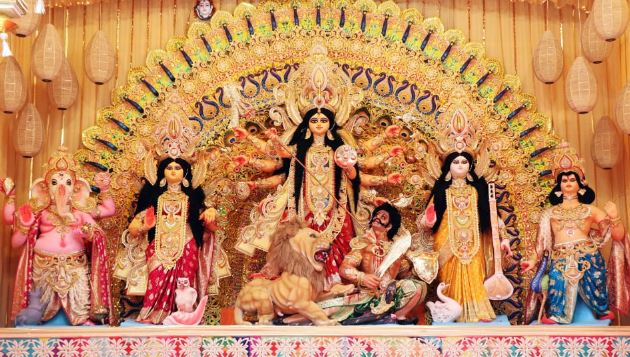
Shaktipuja constitutes an essential aspect of various Hindu traditions, centering on the worship of Shakti, the divine feminine energy. At the heart of this worship is Durga Puja, a significant festival observed predominantly in West Bengal and among Bengali communities worldwide. This festival celebrates the victory of Goddess Durga over the buffalo demon Mahishasura, symbolizing the triumph of good over evil. The origins of this festival can be traced back to ancient rituals, wherein the goddess was invoked to safeguard the community from malevolent forces.
Durga Puja encompasses myriad rituals, including the creation of elaborate idols, the recitation of sacred texts, and the performance of cultural activities. A notable aspect of the festival is the immersion of Durga idols into water bodies, representing the cyclical nature of life and death. The rituals are steeped in cultural significance and are celebrated with great fervor, as communities come together to pay homage to the goddess.
One of the more controversial practices associated with Shaktipuja during Durga Puja is animal sacrifice, which many traditionalists consider a vital aspect of the ritualistic offerings. The act of sacrificing animals is believed to appease the goddess and secure her blessings. However, this practice has sparked debates and differing opinions among communities. While some view it as an integral form of devotion, others advocate against it, aligning with the more compassionate interpretations found in Sankardeva’s Eksaran Naamdharm, which emphasizes love and devotion without such acts of violence.
As the diverse practices surrounding Shaktipuja evolve, the significance of Durga Puja continues to flourish, reflecting the underlying beliefs about feminine power. This variety in interpretation underscores the complexity of spiritual practices and highlights the collective dialogue occurring amongst different religious communities.
Core Tenets of Eksaran Naamdharm
Eksaran Naamdharm, established by the revered saint Srimanta Sankardeva, fundamentally emphasizes monotheism, positing a singular divine entity as the focal point of worship. This belief system diverges significantly from other practices, such as shakti puja during Durga Puja, which celebrates multiple deities, thereby underlining the distinct nature of Eksaran Naamdharm. By centering on one God, adherents cultivate a more personal and direct relationship with the divine, eschewing the need for intermediary figures.
Central to Eksaran Naamdharm is the profound significance attributed to the naam, or the name of God. Sankardeva advocated that reciting and meditating upon this naam serves as a powerful vehicle for spiritual elevation and communion with the divine. This contrasts sharply with ritualistic practices prevalent in other traditions, where extravagant ceremonies and animal sacrifices may overshadow the essence of spiritual connectivity. For practitioners of Eksaran Naamdharm, the naam acts as a conduit for devotion, inviting individuals to engage in sincere and heartfelt worship devoid of elaborate rituals.
Moreover, Sankardeva’s teachings advocate for a morally and ethically sound way of life. The conscious rejection of animal sacrifice sets Eksaran Naamdharm apart from several conventional practices associated with rituals like shakti puja. This pivotal stance not only reflects a compassion-centered approach towards all living beings but also aligns with contemporary values surrounding animal rights and welfare. Hence, devotees are encouraged to live fundamentally ethical lives, promoting peace and harmony within their communities.
In essence, the core tenets of Eksaran Naamdharm highlight a path rooted in monotheism, the spiritual power of God’s name, and a commitment to ethical living, offering a refreshing perspective in contrast to traditional forms of worship characterized by complex rituals and animal sacrifice.
The Rituals of Durga Puja and Their Symbolism
Durga Puja, one of the most revered festivals in the Hindu tradition, primarily celebrates the divine feminine manifest in Goddess Durga. The rituals associated with this event are steeped in rich symbolism and are meticulously crafted to convey deeper meanings regarding the triumph of good over evil, encapsulated in the narrative of Goddess Durga’s battle against the buffalo demon Mahishasura. The preparation for Durga Puja often begins months in advance, with artisans creating elaborate idols, decorated pandals, and festive adornments that contribute to the atmosphere of devotion and celebration.
During the actual puja, the rituals unfold in a structured sequence, starting with the invocation of the goddess through chanting and offerings. This is often accompanied by the recitation of sacred texts that celebrate the qualities of Durga. The rituals signify not only worship but also act as a means of communal bonding, where individuals come together in a shared expression of faith. Each day of the puja is associated with specific customs, enhancing the traditional narrative and maintaining the cultural fabric of the community.
A noteworthy aspect of Durga Puja rituals is the practice of animal sacrifice, which has become a focal point of discussion. While this act is seen by some as a means to appease the goddess and ensure good fortune, it also raises ethical inquiries within contemporary contexts. The sacrifice can be perceived as a symbolic gesture rather than a literal offering, representing the relinquishing of ego and desires to achieve a higher spiritual consciousness. This act of surrender mirrors the philosophies found in other belief systems, including the teachings of Srimanta Sankardev and eksaran naamdharma, focusing on devotion and surrender to the divine.
The culmination of Durga Puja typically culminates in immersion ceremonies and community celebrations, emphasizing rituals that strengthen social ties. In essence, while the deity’s veneration is paramount, the interconnectedness of community dynamics, cultural narratives, and the evolution of traditions is vital in understanding Durga Puja’s multifaceted significance.
Cultural Significance of Animal Sacrifice in Shaktipuja
Animal sacrifice has deep-rooted cultural and religious significance within the framework of Shaktipuja, a ritual dedicated to the worship of the divine feminine. This practice is prevalent in several Hindu traditions, particularly during Durga Puja, when devotees offer sacrifices to invoke the blessings of Goddess Durga. The act is often viewed as a profound expression of devotion, a way for worshippers to seek favor from the divine and strengthen their connection with the goddess. By offering animals, devotees believe they are presenting a valuable gift that demonstrates their sincerity and commitment to Shaktipuja.
Supporters of animal sacrifice argue that it is an age-old tradition that aligns with specific spiritual beliefs, reflecting the cultural heritage of certain communities. Many followers of Shaktipuja maintain that sacrificing animals appeases the divine forces and fulfills religious obligations. This belief is interwoven with teachings from sacred texts, which outline various offerings made to deities, reinforcing the significance of this ritual in sacred spaces. Numerous cultural celebrations, particularly during Durga Puja, incorporate these practices, allowing practitioners to observe and celebrate their traditions with fervor.
However, the practice also faces criticism from various quarters, including animal rights activists and some progressive factions within society. Critics assert that the ritualistic killing of animals contradicts the tenets of compassion and non-violence that are integral to many belief systems, including certain aspects of Hindu philosophy. They argue that such acts can alienate contemporary society from spiritual practices and encourage the exploration of alternative forms of offerings that do not involve sacrifice. As cultural conversations around animal sacrifice evolve, it becomes essential to reflect on the duality of traditions like Shaktipuja and how they interact with modern ethical standards. Through this examination, societal views on animal sacrifice continue to be informed and transformed.
Conflicts Between Eksaran Naamdharm and Shaktipuja
The ideological conflict between Srimanta Sankardev’s Eksaran Naamdharm and the practices associated with Shakti Puja, particularly during Durga Puja, is multifaceted and deeply ingrained in the socio-cultural fabric of Assam. At the core of this conflict lies the fundamental differences in belief systems regarding the nature of divinity and the means of worship. While Shakti Puja, with its roots in the worship of the goddess Durga, often embraces rituals that may include animal sacrifice, Eksaran Naamdharm strictly adheres to the doctrine of ahimsa, or non-violence, emphasizing devotion through song, prayer, and spiritual practices devoid of such rites.
This ideological dichotomy has led to significant tensions within Assam’s communities. The ritual of animal sacrifice, a prevalent aspect of Durga Puja festivities, stands in stark contrast to the tenets of Eksaran Naamdharm. Adherents of Sankardev’s teachings often voice their concerns regarding the ethical implications of animal sacrifices, raising questions about the morality of such practices in the context of modern values. This conflict has, at various times, sparked debates and discussions among the followers of both traditions, often resulting in communal friction.
Historically, these clashes have not only shaped religious dialogues but have also impacted the socio-political landscape in Assam. The rise of exclusivist ideologies has at times fueled communal tensions, as groups rally to defend their beliefs against perceived threats from opposing practices. This opposition can manifest in calls for reform within worship practices, demands for an end to animal sacrifice, or efforts to promote a more harmonized understanding between different religious traditions. Thus, it is evident that the conflict between Eksaran Naamdharm and Shakti Puja extends beyond religious practice, influencing broader societal interactions and communal harmony.
Modern Interpretations and Adaptations
In recent years, the practices associated with Shakti Puja and Eksaran Naamdharm have undergone significant reinterpretations as contemporary practitioners seek to align ancestral beliefs with modern ethical frameworks. Both traditions, stemming from deeply rooted cultural and spiritual ethos, are now being viewed through a more progressive lens, with younger generations taking active roles in these transformations.
For many followers of Shakti Puja, there is an increasing emphasis on the symbolism of devotion rather than literal rituals that involve animal sacrifice. As societal awareness regarding animal rights intensifies, numerous practitioners advocate for alternatives that uphold the essence of Shakti without perpetuating harm to living beings. Community discussions and workshops are being organized to explore how celebrations can maintain their spiritual integrity through non-violent practices. This shift demonstrates a growing sensitivity towards ethical considerations, allowing traditional festivals to evolve without losing their cultural significance.
On the other hand, followers of Eksaran Naamdharm, founded by Srimanta Sankardeva, also face challenges as they navigate the complexities of modernity. The doctrine emphasizes bhakti, or devotional love, yet adherents are increasingly questioning the sustainability of certain traditional practices. Many youngsters are leading efforts to adapt rituals to be more eco-conscious, thereby fostering a relationship with nature that aligns with both spiritual beliefs and contemporary environmental concerns. Through community outreach, these practitioners engage in dialogues around sustainability, authenticity, and the need to reinterpret longstanding customs.
Both Shakti Puja and Eksaran Naamdharm exhibit a remarkable adaptability as their followers negotiate the delicate balance between honoring ancient traditions and addressing current ethical dilemmas. This dialogue not only respects the legacy of these practices but also promotes a more inclusive understanding that resonates with the values of today’s society.
Challenges and Opportunities for Interfaith Dialogue
The spiritual landscape of Assam presents a rich tapestry of beliefs and practices, most notably exemplified by the teachings of Srimanta Sankardev and the rituals associated with Durga Puja. The intersection of Eksaran Naam Dharma, founded by Sankardev, with the Shakti Puja rituals brings forth both challenges and opportunities for interfaith dialogue. Followers of these distinct paths often face the challenge of entrenched beliefs, where deeply-rooted traditions may hinder open conversations about spirituality and practice. Understandably, the commitment to one’s own faith can lead to resistance when engaging with alternative practices such as shakti puja.
However, the potential for interfaith dialogue exists through the recognition of shared values and ethics intrinsic in both traditions. For instance, both the followers of Sankardev and practitioners of Durga Puja advocate for the principles of compassion, community, and a commitment to the divine. This emphasis on mutual respect can provide a foundation from which constructive discussions may flourish. Moreover, platforms for dialogue often arise during communal festivals or interfaith gatherings, where individuals from both groups come together to experience and discuss their respective rituals. Initiatives that highlight the values of tolerance, love, and shared devotion can foster an appreciation of both shakti puja and Eksaran Naam Dharma.
The promotion of cultural understanding is critical in breaking down barriers that often separate followers of different faiths. Through educational programs and collaborative spiritual activities, there is an opportunity for adherents of both traditions to explore each other’s beliefs—thereby enhancing mutual understanding. Encouraging interfaith connections may be a significant stride toward reducing misconceptions and paving the way for peaceful coexistence. As dialogue redefines perceptions, it creates an environment where the teachings of Sankardev and the practices of shakti puja can coexist harmoniously, enriching the spiritual journey of the individuals involved.
Conclusion: Bridging the Divide
The discourse surrounding the varying religious beliefs represented by Srimanta Sankardev’s Eksaran Naamdharm and the Shakti Puja during Durga Puja reveals the rich tapestry of cultural and spiritual practices in Assam. While these two traditions may differ significantly in their philosophical underpinnings and rituals, they reflect the complexity of human beliefs and the diversity inherent within spiritual expressions. Eksaran Naamdharm emphasizes devotion to a singular divine entity, promoting a path of egalitarian worship, whereas Shakti Puja embodies the reverence for feminine power through intricate rituals, including the controversial practice of animal sacrifice. This contrast can evoke strong feelings, often leading to misunderstandings between followers of each tradition.
To foster a more harmonious environment, it is essential that followers of these varied beliefs engage in dialogue and cultivate an understanding of each other’s practices. For instance, the potency of Durga Puja goes beyond mere ritual; it embodies community spirit and cultural identity. Likewise, Eksaran Naamdharm emphasizes compassion and avoidance of violence, traits that can resonate across faiths. By acknowledging the moral and ethical underpinnings of both traditions, adherents can discover common ground, enabling a respectful coexistence. The significance of rituals, whether they involve elaborate idol worship in Shakti Puja or introspective devotion in Naamdharm, underlines the shared goal of seeking transcendental connection.
Ultimately, the synthesis of these beliefs encourages a cohesive societal fabric, wherein individuals appreciate the diverse spiritual journeys of their fellow citizens. Recognizing the importance of such an inclusive approach will not only enrich the cultural landscape of Assam but also enhance community relationships, creating a foundation for tolerance and mutual respect amidst varying ideologies. Respect for these distinct traditions illuminates their respective contributions, ensuring that the essence of both Shakti Puja and Eksaran Naamdharm coexists peacefully, fostering unity in diversity.