







Overview of Handloom Sector in Assam
The handloom sector in Assam is a vital component of the state’s cultural heritage, reflecting the rich traditions of its indigenous communities. With a history spanning centuries, handloom weaving has become synonymous with Assamese identity. The intricate weaving techniques employed by skilled artisans contribute significantly to the rural economy, supporting sustainable income for countless families. Assam’s handloom sector features a variety of fabrics such as Muga, Eri, and Pat silk, each carrying its own unique characteristics and cultural significance.
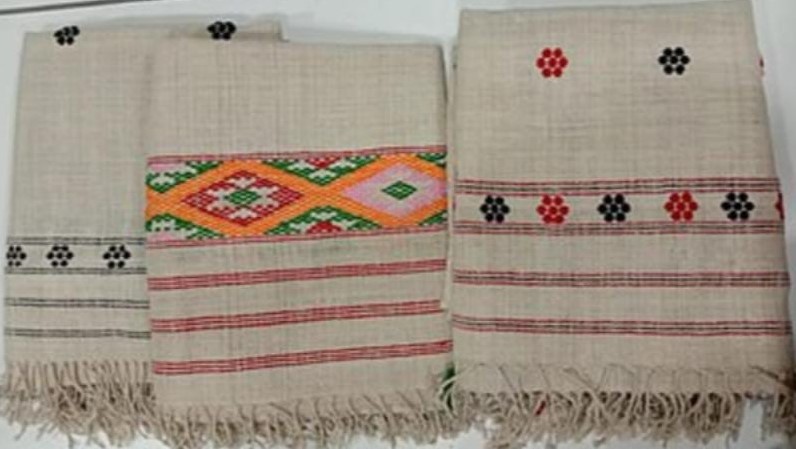
A crucial aspect of Assam’s handloom industry is its connection to the state’s diverse cultural tapestry. The vibrant colors and distinctive patterns found in Assamese textiles are steeped in tradition, often representing folklore, nature, and local symbolism. Specific motifs and designs vary widely across different regions, showcasing the state’s rich ethnolinguistic diversity. For instance, the craftsmanship of the Assamese weavers ranges from intricate patterns found in traditional Mekhela Chadar to the bold designs of modern handloom products, which have evolved to cater to contemporary tastes while maintaining their traditional essence.
Moreover, the handloom sector serves as a foundation for employment in rural communities, empowering women who form the backbone of this industry. Women artisans contribute substantially to the rural economy, gaining financial independence and establishing a sense of self-worth while preserving age-old traditions. The rise of organic trade within the handloom sector further bolsters sustainable practices, encouraging eco-friendly production methods that not only benefit the environment but also enhance the quality of life for practitioners. This fusion of tradition and modern sustainability positions the handloom sector as a pivotal player in fostering economic development in Assam.
Economic Contributions of the Handloom Sector
The handloom sector in Assam plays a pivotal role in shaping the rural economy through its significant contributions to employment and income generation. This traditional craft, deeply rooted in the cultural heritage of the region, provides livelihoods to thousands of artisan weavers, predominantly women, who engage in handmade textile production. The sector not only creates job opportunities but also facilitates sustainable income channels for these artisans, enhancing their socio-economic status and fostering women’s empowerment.
Recent studies indicate that the handloom industry is a substantial source of employment, particularly in rural zones, where economic opportunities are often limited. The artisan weavers, through their skilled craftsmanship, contribute to the local economies and help retain rural populations by reducing migration to urban areas in search of jobs. Moreover, the income generated from handloom activities supports households in fulfilling basic necessities and investing in education, healthcare, and other aspects of quality of life.
Additionally, the export potential of handloom products is noteworthy. Assorted textiles, including sarees and other garments, are in demand both nationally and internationally. This not only boosts the sector’s economic viability but encourages further investments and infrastructure development, leading to a multiplier effect on local economies. The establishment of cooperatives has also played a transformative role in uplifting the sector; they provide shared resources, technical assistance, and a collective voice for artisans, ultimately enhancing marketing opportunities.
Government interventions have additionally fortified the handloom sector, affording artisans access to schemes that promote organic trade practices and improve production technologies. Encouraging local entrepreneurs to engage in the handloom business, as well as supporting fair trade initiatives, can further bolster income generation and secure the livelihood of communities reliant on this traditional craft.
Challenges Facing the Handloom Industry
The handloom sector in Assam, integral to the rural economy, encounters a multitude of challenges that hinder its growth and sustainability. A prominent issue is the intense competition from power looms and synthetic fabrics, which offer lower prices and greater production speed. As a result, traditional handloom products struggle to capture market share, leading to diminishing demand for handmade textiles. This competition not only affects artisans financially, but it also threatens the unique cultural heritage associated with handwoven fabrics.
Another significant hurdle is the lack of access to modern technology. Many artisans rely on traditional methods which, while preserving the cultural essence of handloom weaving, can limit productivity and efficiency. Without the means to adopt innovative techniques or tools, the sector risks falling further behind the rapidly evolving textile industry. This situation affects employment opportunities within the rural economy, as fewer artisans are able to maintain sustainable income levels relative to their competitors.
Market access represents another critical challenge for the handloom industry. Many artisans are unaware of potential markets beyond their local communities, limiting their ability to diversify their customer base. The lack of effective marketing strategies and platforms exacerbates this issue, making it difficult for handloom products to reach wider audiences. Financial constraints compound these challenges, with many weavers unable to afford the initial investments necessary for expanding their businesses. This financial instability hampers not only individual artisans but also the broader movement towards women empowerment, as many weavers in Assam are women who rely on weaving as a primary source of income.
Add to this the socio-economic issues of declining numbers of traditional weavers and an aging artisan community, the preservation of handloom traditions faces immense pressure. The threat posed by these challenges illuminates the need for systemic support and policy interventions aimed at revitalizing the handloom sector in Assam, thereby ensuring its longevity and the protection of its rich heritage.
Future Prospects and Initiatives for Growth
The handloom sector in Assam holds significant potential for future growth and development, particularly as it contributes to the rural economy and women’s empowerment. Various initiatives—both governmental and non-governmental—are being implemented to revitalize this vital sector. One notable area is skill development programs, which are designed to enhance the capabilities of local artisans. By providing training in advanced weaving techniques, design innovation, and quality control, these programs equip weavers with the skills necessary to improve productivity and generate sustainable income.
Furthermore, marketing campaigns have been launched to elevate the profile of Assam’s handloom products. These campaigns aim not only to promote local textiles but also to emphasize the cultural significance and craftsmanship inherent in each piece. By partnering with local artisans, these initiatives foster a deeper understanding of the value of handloom products, thereby increasing consumer demand both nationally and internationally. In conjunction with these efforts, measures to promote organic trade practices are being encouraged. This transition towards organic materials not only enhances the quality of the products but also aligns with global sustainability trends, capturing the interest of environmentally conscious consumers.
An emerging opportunity lies within digital marketing and e-commerce platforms. These modern tools present a way for artisans to reach broader markets beyond their immediate geographical confines. By creating online storefronts and participating in virtual marketplaces, artisans can showcase their creations to diverse audiences, thereby increasing sales and enhancing their livelihoods. The integration of technology in the handloom sector also paves the way for innovative designs and collaborations, further enriching the traditional craft. As investments and initiatives continue to materialize, the handloom sector in Assam stands poised to thrive, reinforcing the importance of this industry in the rural economy while empowering women and preserving cultural heritage.